
Post Preview
Key Takeaways
- There are various tooth replacement choices, each tailored to different needs.
- Evaluating the benefits and considerations of each option is vital for your oral health.
- Professional guidance ensures you get the most appropriate solution for your individual situation.
Table of Contents
- Importance of Replacing Missing Teeth
- Dental Implants
- Dental Bridges
- Removable Partial Dentures
- Complete Dentures
- Implant-Supported Dentures
- Factors to Consider When Choosing a Replacement Option
- Conclusion
When a tooth is lost, it affects not just your appearance but also your dental function and overall health. Gaps in your smile can make eating and speaking difficult, and over time, missing teeth may contribute to changes in your jawbone and facial structure. Choosing a replacement solution is an important step toward restoring not only your smile but also your quality of life.
For patients in the Dallas area seeking expert tooth replacement options, the dental implants Dallas specialists at the Texas Center for Oral Surgery & Dental Implants provide comprehensive dental implant services. Their Dallas office is dedicated to long-term solutions for tooth loss and oral health, guided by a team of experienced oral surgeons known for their advanced skills, patient-focused care, and trusted results across North Texas. As industry leaders, they bring extensive expertise in the most effective dental implant techniques, helping patients regain full function and confidence with solutions tailored to their needs. If you are seeking authority in dental implants and related oral surgical care in the Dallas metro area, their staff offers a proven track record and a patient-centered approach.
Understanding your choices will help you select the right option based on your oral health, lifestyle, and preferences. Each method, from implants to dentures, has advantages and considerations that make it uniquely suited to different situations. This guide will walk you through the most common tooth replacement options, the factors to consider, and why prompt action matters for your long-term health.
Delaying tooth replacement can lead to complications, from shifting teeth to bone loss. Promptly addressing missing teeth can prevent cascading issues and maintain your oral health for years to come. For further information on the broader implications of tooth loss, consider reviewing resources from the Harvard Health Publishing website.
Importance of Replacing Missing Teeth
Missing teeth do more than leave gaps in your smile. When a tooth is lost, nearby teeth can drift or tilt into the space left by the missing tooth, leading to misalignment of the bite and an increased risk of tooth decay and gum disease. Even a single missing tooth can affect how you chew and speak, which can in turn affect your nutrition and confidence. Another less obvious risk is jawbone deterioration, which happens over time in the absence of tooth roots. Jawbone loss not only weakens your bite but may also cause changes in facial shape, often leading to an older appearance.
- Shifting of adjacent teeth can cause misalignment.
- Difficulty eating and speaking can impact quality of life.
- Loss of jawbone density alters facial structure.
- Many people feel self-conscious about visible gaps.
Timely intervention ensures your bite stays healthy and your smile remains confident.
Dental Implants
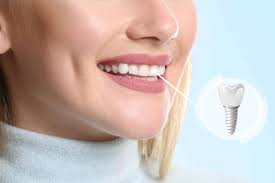
Dental implants are widely regarded as the gold standard for tooth replacement. An implant features a biocompatible titanium post that integrates with the jawbone, functioning as an artificial tooth root. A custom-made crown is then placed on top, recreating the look and function of a natural tooth. Implants are both a cosmetic and functional solution with several distinct advantages.
Advantages
- Helps maintain the integrity of your jawbone and preserve facial structure.
- Does not require alteration of adjacent natural teeth.
- Known for their strength, stability, and long lifespan.
Considerations
- Requires healthy gums and enough bone volume for support (bone grafting may sometimes be necessary).
- Involves a surgical procedure followed by a healing period.
- The initial cost is typically higher than other options, but implants often last longer than alternatives.
Dental Bridges
Dental bridges close the gap created by one or more missing teeth. The artificial tooth is anchored to either dental crowns placed on adjacent natural teeth or dental implants. Bridges are fixed in place, offering both aesthetic and practical restoration.
Advantages
- Feels and functions like natural teeth, providing stability for eating and speaking.
- The process generally takes less time than implants.
- A more affordable upfront cost than dental implants.
Considerations
- Making room for a bridge typically requires reshaping healthy teeth on either side of the gap.
- Without a root structure in the jaw, bone loss beneath the bridge may still occur.
- Bridges may need to be replaced after several years due to wear.
Removable Partial Dentures
Removable partial dentures are a flexible, cost-effective solution when several natural teeth remain. A partial denture contains replacement teeth set into a gum-colored base, often linked by a metal framework, and is designed to fit snugly around existing teeth.
Advantages
- Generally, less expensive and more accessible than implant solutions or bridges.
- No surgery required, with easy adjustment as needed.
- Can replace multiple missing teeth in different parts of the mouth at once.
Considerations
- Potential for shifting or displacement within the mouth, especially with hard or sticky foods.
- Need to be removed nightly and cleaned thoroughly to prevent infection and irritation.
- Some wearers experience irritation or discomfort with extended use.
Complete Dentures
For those who are missing all their teeth in one or both jaws, complete dentures are a common solution. Custom-crafted to rest comfortably on the gums, these prosthetics restore both appearance and basic function.
Advantage: It can
- be constructed relatively quickly and non-invasively.
- More affordable than many alternatives, especially for full-jaw replacement.
- Modern materials offer a natural look and a customized fit.
Considerations
- Some patients find that adhesives provide extra stability.
- It may take time to adjust to speech and eating functions.
- Regular relining and maintenance are needed over time to keep a secure fit.
Implant-Supported Dentures
Implant-supported dentures provide a middle ground between removable dentures and full dental implants. These prosthetics are attached to multiple implants embedded into the jaw, offering improved stability without the need for adhesives.
Advantages
- Far more stable than traditional dentures, allowing for greater chewing power.
- Anchoring with implants preserves the jawbone.
- Enhanced comfort, particularly for those dissatisfied with the fit of regular dentures.
Considerations
- The process involves surgery and a longer timeline than conventional dentures.
- Initial costs are higher, though benefits often outweigh the expense over time.
- Not all patients are candidates due to bone health or underlying medical conditions.
Factors to Consider When Choosing a Replacement Option
Several key factors will help you and your dental team determine which solution is best:
- Oral health: The condition of your gums and remaining teeth often determines eligibility for certain treatments.
- Bone density: A strong, healthy jawbone is required for implants, but is less of a concern for other options.
- Budget: Out-of-pocket costs and insurance coverage can significantly influence decision-making.
- Personal preference: Some patients prefer permanent, fixed solutions while others opt for removable prosthetics.
- Overall health: Certain chronic conditions or medications may affect healing after oral surgery.
Discussing these elements with a dental professional ensures you receive treatment tailored to your best outcome. More information on making oral health decisions can be found on the WebMD oral health portal.
Conclusion
Restoring a complete, healthy smile after tooth loss is achievable with today’s advanced dental solutions. From dental implants to bridges and dentures, each approach offers unique benefits to meet varying needs. By learning about your options and consulting with a trusted expert, you can confidently choose the best method for your lifestyle and health. Remember, taking action sooner ensures long-term stability and a smile you can be proud of for years to come.
