
Key Takeaways:
- Proper insulation significantly reduces energy consumption and utility costs.
- Eco-friendly insulation materials contribute to sustainable building practices.
- Advancements in insulation technology enhance indoor air quality and comfort.
Table of Contents:
- Importance of Insulation in Energy Efficiency
- Types of Insulation Materials
- Eco-Friendly Insulation Options
- Impact on Indoor Air Quality
- Financial Incentives and Savings
- Conclusion
Importance of Insulation in Energy Efficiency
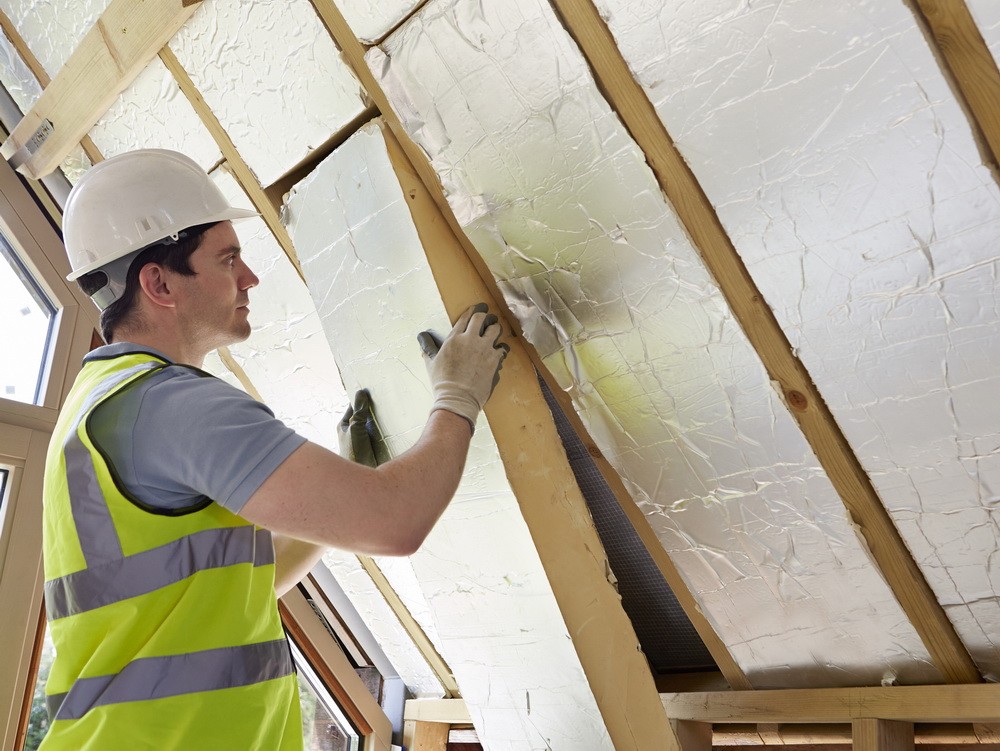
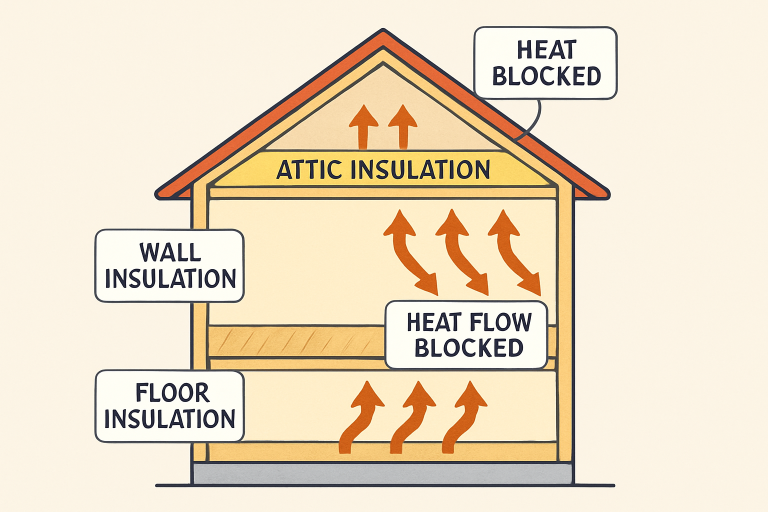
Building insulation is one of the most essential elements for reducing a structure’s energy demand. It works by controlling the heat flow in and out of a building, which means less reliance on heating and cooling systems. Whether planning residential or commercial insulation upgrades, choosing high-quality materials is crucial for maximizing thermal performance and minimizing wasted energy.
Insulation helps maintain a consistent indoor temperature, resulting in fewer energy fluctuations and lower monthly utility bills. According to the U.S. Department of Energy, properly insulated buildings can save up to 15% on heating and cooling costs. As energy prices rise and climate goals become more urgent, insulation emerges as a high-impact investment for short-term savings and long-term sustainability. Well-insulated buildings also contribute to increased property values and enhanced occupant comfort, making insulation a multi-faceted benefit for property owners.
Today’s emphasis on green building strategies positions insulation as a leading contributor to overall building efficiency. Advanced insulation technologies help reduce greenhouse gas emissions by limiting the need for fossil-fuel-powered heating and cooling appliances. In fact, updated building codes now frequently mandate higher insulation standards to support community-wide energy conservation goals.
Alongside reduced energy usage, insulation slows down structural wear and tear caused by extreme temperature swings or excessive moisture infiltration. This extends the lifespan of a building’s components and decreases future maintenance costs.
Those considering insulation upgrades may also want to explore solutions specifically designed for home insulation, where material selection and installation techniques can be tailored to different climates and architectural needs.
Types of Insulation Materials
The insulation market offers a range of material choices, each with unique characteristics and best-use scenarios:
- Fiberglass: Perhaps the best-known option, fiberglass consists of spun glass fibers and is available as batts, rolls, or loose-fill. It’s valued for its affordability, widespread availability, and fire-resistant qualities.
- Cellulose: This eco-friendly material is made primarily from recycled newspapers and treated for fire resistance. It fills gaps well and has a competitive R-value, which measures thermal resistance.
- Spray Foam: Popular for new constructions or retrofits, spray foam expands to seal gaps and create an air-tight barrier. Closed-cell versions offer strong moisture and vapor control, while open-cell types can provide sound absorption.
- Mineral Wool: Derived from volcanic rock or industrial byproducts, mineral wool excels at soundproofing and fire protection. It resists mold and pests, making it a durable choice for challenging environments.
Choosing the right insulation material depends on the climate, construction style, and budget. For example, spray foam can be particularly effective in humid regions, while mineral wool’s fire rating is valuable in areas prone to wildfires. The best material balances performance, sustainability, and cost-effectiveness for the building’s needs.
Eco-Friendly Insulation Options
Growing environmental awareness has propelled the development of green insulation materials that support sustainable construction practices. Cellulose stands out as a leading eco-friendly option, utilizing recycled paper to prevent waste and deliver strong performance. The manufacturing energy required for cellulose is significantly lower than that needed for fiberglass or foam-based products.
Natural fiber insulations like sheep’s wool and cotton are also gaining traction. These materials are biodegradable, have low embodied energy, and present minimal health risks during installation. Sheep’s wool, for example, regulates indoor humidity by absorbing and releasing moisture without losing its insulating qualities. Cotton insulation, often made from recycled denim, provides excellent sound absorption and is naturally resistant to mold and mildew.
Another innovative option is rigid foam boards created from plant-based or recycled sources. These improve energy efficiency and contribute fewer pollutants during their lifecycle. Using eco-friendly insulation is a proactive step toward lowering a building’s carbon footprint and meeting green certification standards like LEED. According to a New York Times Wirecutter review, these newer products also deliver comfort benefits and can outlast some conventional options.
Regulatory and Market Trends
New regulations and incentives have encouraged builders and homeowners to prioritize green insulation. As consumers become more informed, demand continues to rise for products low in VOCs (volatile organic compounds), free from formaldehyde, and sustainably sourced.
Impact on Indoor Air Quality
Insulation does more than control temperature—it also shapes the quality of air that occupants breathe every day. Certain insulation materials, especially outdated or lower-cost varieties, may release irritants or trap allergens that worsen indoor air. Exposure to fibers, dust, or chemicals released by some insulation products can aggravate allergies, asthma, or other respiratory issues.
Modern, health-conscious insulation options are designed to minimize emissions of harmful substances. These products often bear certifications like Greenguard or Declare, indicating rigorous third-party testing for air safety. Proper installation is as necessary as material choice, as poorly sealed gaps let pollen, dust, or pests infiltrate interior spaces. Well-installed insulation forms a crucial element of any strategy to prevent “sick building syndrome” and enhance general well-being.
For more on how insulation can impact overall health, refer to this EPA guide on indoor air quality.
Financial Incentives and Savings
Investing in high-quality insulation may qualify property owners for a variety of financial incentives, vastly improving their return on investment. Federal initiatives, like the 2022 Inflation Reduction Act, provide a tax credit of 30% of the cost of qualifying insulation improvements (up to $1,200 annually through 2025). These incentives are designed to help offset upfront costs and encourage energy-efficient upgrades. In addition, many state and city programs offer rebates, grants, and low-interest loans for insulation and energy improvements.
The immediate payoff is reduced utility bills: households with upgraded insulation often report energy savings that make up for installation costs within a few years. Furthermore, energy-smart buildings may see higher resale values as buyers increasingly prioritize efficiency and sustainability.
Consult the ENERGY STAR rebate and savings finder to view available regional incentives.
Conclusion
Choosing the proper insulation isn’t just about maximizing comfort—it’s a critical decision that drives energy savings, boosts property value, and supports the health of building occupants and the planet. With eco-friendly options more accessible than ever, alongside substantial financial incentives, investing in quality insulation is a smart move for homeowners and commercial property leaders alike. By researching materials, staying informed about new technology, and taking advantage of available rebates, you can positively impact your home, your wallet, and the environment.
