
Post Preview
Key Takeaways
- Persistent bad breath or a foul taste in the mouth can indicate gum disease or tooth decay.
- Bleeding, swollen, or receding gums are early signs of periodontal disease.
- Increased tooth sensitivity suggests possible enamel erosion or gum recession.
- Loose or shifting teeth often result from weakened bone support caused by gum disease.
- Regular dental check-ups are fundamental for early detection and prevention of tooth loss.
Maintaining optimal oral health throughout your life is pivotal for preserving your natural teeth and avoiding significant dental issues. Early awareness of changes in your mouth can be the key to preventing more severe complications. If you start noticing signs of loose teeth or other concerning symptoms, seeking timely dental care is crucial. Regular monitoring and prompt intervention can help you address minor issues before they become major problems.
Your oral health is closely connected to your overall well-being. Early detection of symptoms not only saves your teeth but also affects your confidence, nutrition, and overall health. This guide covers the main warning signs you should never ignore, helping you take proactive steps toward protecting your smile for years to come.
Persistent Bad Breath or Unpleasant Taste
Chronic bad breath, also called halitosis, or a lingering unpleasant taste, often points to underlying dental concerns. These symptoms result from bacterial buildup, which commonly stems from gum disease or untreated tooth decay. When left unchecked, these issues can advance quickly, leading to infection or abscesses. Practicing consistent oral hygiene and scheduling professional cleanings can significantly reduce these risks.
Bleeding, Swollen, or Receding Gums
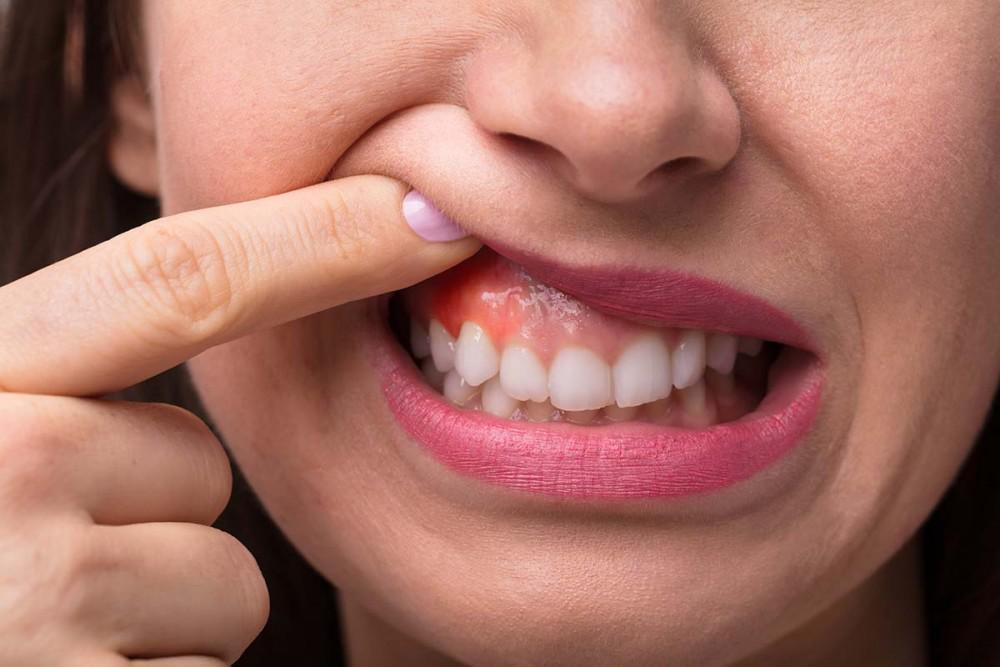
Healthy gums should appear firm and pink, without signs of bleeding during brushing or flossing. If your gums begin bleeding easily, appear swollen, or seem to be pulling away from your teeth, you might be experiencing gingivitis or the early stages of periodontal disease. Over time, untreated gum disease can damage the structures that support your teeth, leading to tooth loss. Early intervention and improved oral care can reverse gingivitis and prevent its progression.
Increased Tooth Sensitivity
Sharp discomfort or pain when eating hot, cold, or sugary foods signals possible tooth sensitivity. The most common causes are enamel erosion or gum recession, both of which expose sensitive parts of the teeth to outside stimuli. Enamel can wear down due to acidic foods, aggressive brushing, or bruxism (teeth grinding). Gum recession can occur from periodontal disease or improper cleaning techniques. Using a desensitizing toothpaste, avoiding acidic foods, and seeking advice from your dentist can protect your teeth from further damage.
Loose or Shifting Teeth
Your adult teeth should remain stable and unmoving. Noticing a tooth that feels wobbly or teeth that are shifting is a sign of advanced gum disease, injury, or severe decay. This weakening is typically due to bone loss around the affected tooth. Prompt dental evaluation is vital to preserve your teeth and prevent complete loss. Treatments may include deep cleaning, medications, or more advanced interventions such as gum or bone grafting.
Symptoms such as teeth shifting out of place or mild tooth mobility can also result from systemic health problems, including diabetes or osteoporosis. If you observe any movement or gaps where there were none before, schedule a dental appointment quickly, as early intervention offers the best chance for successful treatment.
Visible Pus or Abscess Formation
The presence of pus or the formation of an abscess in the mouth is always a cause for concern. Dental abscesses are pockets of infection that form around the roots of teeth or in the gums, creating swelling, pain, and sometimes fever. These infections can destroy the surrounding bone and tissue, rapidly increasing the risk of tooth loss if left untreated. If you notice any swelling or pus or experience severe pain, seek emergency dental care immediately.
Changes in Bite or Jaw Pain
When your teeth no longer align comfortably or if you suddenly develop jaw discomfort, it may signal an underlying oral health problem. These symptoms can arise from teeth shifting due to bone loss, trauma, or infection, and can affect how you chew and speak. A proper dental evaluation will determine if your bite changes are due to periodontal disease, tooth migration, or temporomandibular joint issues. Addressing these concerns promptly can prevent further dental complications.
Regular Dental Check-Ups: A Preventive Measure
Routine dental visits are essential for spotting the earliest signs of dental disease. Dentists check for cavities, gum disease, bite alignment, and signs of oral cancer, often catching problems long before they cause pain or become visible. The American Dental Association emphasizes the importance of twice-yearly check-ups for most adults. Regular professional cleanings and preventive care, along with strong daily oral hygiene habits, remain your best defense against tooth loss and many other dental health challenges.
Conclusion
Being aware of the early warning signs of tooth loss empowers you to take control of your oral health. If you experience persistent bad breath, bleeding gums, sensitivity, loose teeth, or see signs of infection, do not hesitate to seek professional dental advice. With early attention and the right care, tooth loss can be prevented, ensuring you maintain a healthy, confident smile for life.
