
Post Preview
Key Takeaways
- Learning about dental sedation options empowers patients to navigate their oral care with less anxiety.
- There are multiple forms of dental sedation, each tailored to specific levels of anxiety and procedure types.
- Professional consultation is essential to ensure the safest and most effective approach for each patient.
Dental anxiety affects many people and can be a significant barrier to receiving essential dental care. For those who feel nervous or fearful at the dentist, learning about the various dental sedation methods can open the door to comfortable, stress-free visits. Working with a sedation dentist Coventry RI makes it easier to find the right solution for your personal comfort and health needs.
Dental sedation provides strategies that range from mild calming techniques to comprehensive sedation for more serious anxiety or complex procedures. By understanding these options, you’ll be better equipped to discuss your concerns openly and choose a path that prioritizes both comfort and long-term oral health.
Each sedation method addresses specific patient concerns, procedural intensity, and even recovery time. This ensures that people of all ages and comfort levels can discover an approach that lets them maintain their dental health with minimal stress.
It is not just about reducing fear; dental sedation also supports people with sensitive gag reflexes, difficulty sitting still, or those requiring prolonged or invasive interventions. It is important to learn how each sedation type works and how it may benefit your specific situation.
Nitrous Oxide Sedation
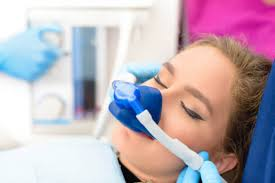
Nitrous oxide, known as “laughing gas,” is a common and mild dental sedative. When inhaled through a nasal mask, it quickly relaxes the patient while keeping them conscious and alert. Its effects dissipate within minutes after stopping, allowing most patients to return to their normal activities immediately. This makes it suitable for mild anxiety, pediatric patients, or minor procedures. In addition to easing anxiety, it reduces discomfort and can be precisely managed during short treatments. A significant advantage is that patients remain awake and cooperative, and recover quickly, enabling them to drive home and resume daily routines. As a result, it remains a popular choice among dental practices worldwide.
Oral Conscious Sedation
Oral conscious sedation involves taking a pill, like Halcion, about an hour before your dental appointment. The effects range from light to moderate sedation, depending on the dosage, making you feel calm yet responsive enough to answer questions or follow gentle instructions. The drowsiness from oral sedation can last beyond the appointment, so you will need a trusted adult to drive you home. This method works well for patients with moderate anxiety or anyone requiring a lengthier or multiple-step procedure.
Many patients appreciate oral sedation because it does not involve needles or inhaled gases, making it a more approachable option for those who dislike such interventions. Additionally, the memories of the dental procedure may be fuzzy or nonexistent, helping to reduce anxiety about future visits. Dentists will carefully review your medical history and current medications to determine the appropriate type and dosage of oral sedative, ensuring a smooth, relaxed experience.
Intravenous (IV) Sedation
Intravenous sedation means the sedative medication is delivered directly into your bloodstream, resulting in a swift and easily adjustable calming effect. With IV sedation, many patients experience partial or full memory loss during the procedure, even though they are not completely unconscious. This approach is especially valuable for those with severe dental anxiety, high sensitivity to pain, or those needing extensive work done in one visit. Because of the stronger sedative effects, recovery time is slightly longer, and assistance at home is required.
The advantage of IV sedation is the high degree of control your dental professional maintains during the process. Medication dosages can be fine-tuned in real time, keeping you comfortable regardless of how long or complex the procedure becomes. This makes IV sedation ideal for oral surgery, root canals, and other comprehensive treatments, especially for patients who struggle to remain calm with other sedation methods.
General Anesthesia
For complex dental procedures or intense phobias, general anesthesia might be advised. Patients stay completely unconscious, avoiding any pain or awareness during surgery or lengthy restorations. It involves monitoring by a dental anesthesiologist and a longer recovery period. Having a trusted companion to support afterward is important. This option is commonly used for oral surgeries, such as wisdom tooth removal or full-mouth rehabilitation. It is also employed when other sedation methods may be ineffective or unsafe. Many people with severe dental anxiety find this option helpful. However, it is crucial to conduct thorough pre-appointment screening to ensure its safe use.
Choosing the Right Sedation Method
Deciding between nitrous oxide, oral sedation, IV sedation, or general anesthesia depends on your anxiety level, health history, and the nature of the dental work required. Factors such as medication allergies, current health conditions, and even family history play an important role. Only a licensed dental professional can determine the safest and most effective sedation choice for you after a thorough assessment.
It’s also worth considering your past experiences with dental care and openly discussing your worries or triggers during the initial consultation. A supportive dentist will help explain each method’s pros and cons so you can feel confident in your decision. In some cases, combining minimal sedation with gentle communication and distraction techniques (such as music or guided imagery) can further minimize distress.
Safety and Considerations
Dental sedation is considered safe for most healthy individuals, especially when proper procedures and screenings are followed. Always inform your dentist of your complete medical history, including medications, supplements, and any chronic health issues. Following all instructions before and after your appointment is key to reducing risks such as lingering drowsiness or rare allergic reactions.
Common safety steps include reviewing your vital signs, keeping emergency medications and support staff nearby, and ensuring you have follow-up instructions for home care. Knowing what to expect and planning for a smooth recovery ensures a more positive dental treatment outcome. If you have underlying medical conditions, communicating openly with your dentist helps tailor the process and improve overall sedation safety.
Conclusion
Understanding the range of dental sedation options allows patients to overcome anxiety and prioritize their oral health. Open communication with a skilled dental team ensures the safest, most comfortable experience possible. With modern sedation techniques, there is no need to avoid critical dental care due to fear or discomfort.
Taking proactive steps to address dental anxiety opens the door to consistent oral health routines and can transform your relationship with dental care for years to come. Whether you need just a little relaxation or full anesthesia, a knowledgeable and compassionate dental team is ready to guide you toward a solution that best matches your personal needs.
