
Mobile home residents can enjoy a harmonious blend of freedom, mobility, and environmental responsibility by incorporating energy-efficient designs, renewable energy installations, and water conservation systems. Sustainable mobile home technologies make green living more accessible and cost-effective, enhancing comfort and reducing expenses while promoting a positive environmental legacy.
Modern mobile home living has evolved, with sustainability leading design trends. Today’s residents choose solutions that boost comfort and protect the planet. Eco-friendly practices save costs, enhance comfort, and reduce environmental impact. For those looking to move or sell their homes efficiently and with minimal impact, some companies offer fast cash solutions—making the transition to a greener living approachable and stress-free. These resources are especially valuable during unexpected life changes, allowing homeowners to prioritize sustainability without disruption.
Energy-Efficient Designs
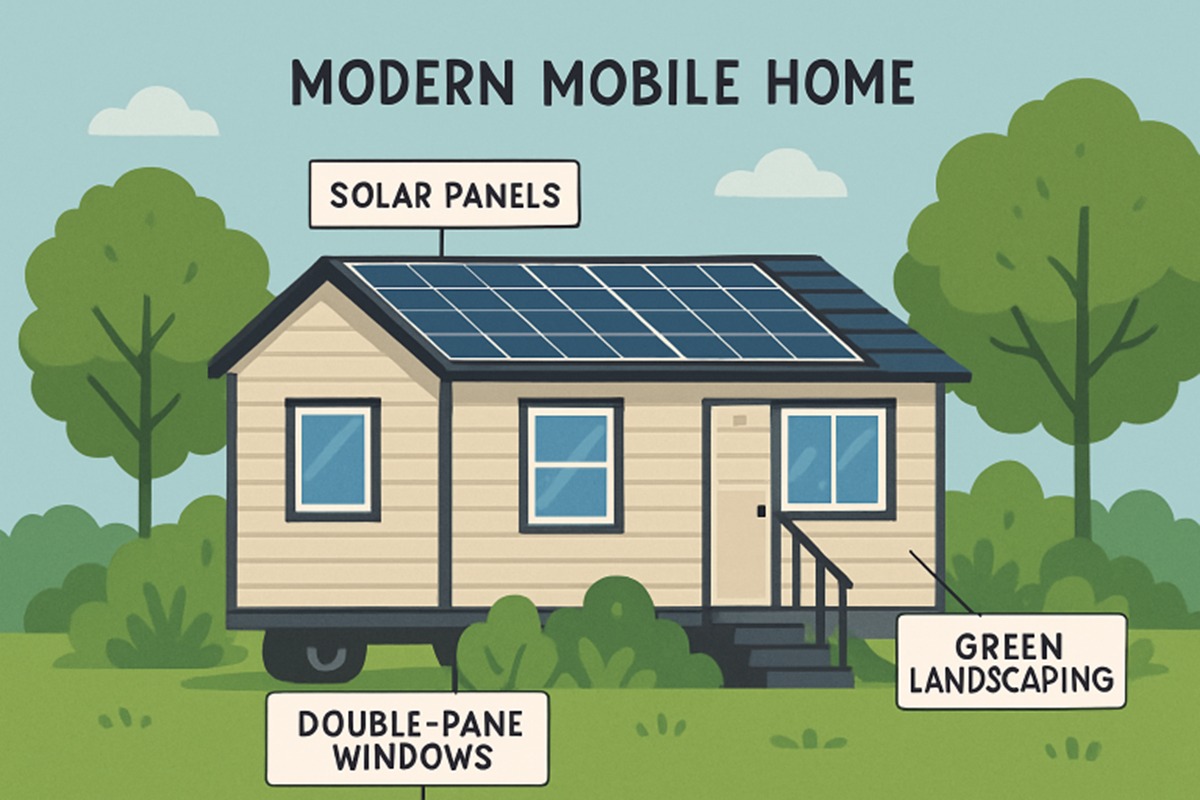
Energy efficiency is vital for sustainable mobile home living. It begins with airtight construction and high-performance insulation like spray foam, cellulose, or rigid panels, which keep indoor temperatures steady and reduce heating and cooling needs. High-performance windows, such as double or triple-pane, cut heat loss, ensuring year-round comfort and lower utility costs. These features also improve quietness and comfort during temperature extremes. ENERGY STAR appliances, efficient HVAC, and LED lighting consume less electricity and water while performing well. The U.S. Department of Energy states these upgrades can reduce energy use by up to 50%, saving money and lowering the carbon footprint. Investing in energy-efficient upgrades boosts daily comfort and promotes responsible resource use.
Water Conservation Strategies
Sustainable mobile home living involves conserving water by installing low-flow fixtures and addressing leaks promptly. Low-flow toilets, faucets, and showerheads can significantly reduce water consumption without affecting performance or comfort. For those looking to transition into eco-conscious living, exploring options to buy trailer models that support energy-efficient upgrades and sustainable practices is helpful. Rainwater harvesting and landscaping, which reuse natural precipitation for non-potable household tasks, can also be eco-friendly. Rainwater harvesting systems range from simple rain barrels to complex tank storage setups with filtration. Drought-tolerant landscaping, utilizing native plants and xeriscaping principles, minimizes supplemental watering, creating attractive, low-maintenance outdoor areas.
Sustainable Materials
Choosing environmentally friendly construction and remodeling materials is vital for sustainable mobile home living. Resource-efficient options like recycled steel, reclaimed wood, and eco-friendly insulation reduce the carbon footprint during building and maintenance. These durable, often recycled materials last longer and need fewer repairs. Finishes and adhesives also matter; selecting low-VOC paints, formaldehyde-free cabinets, and natural sealants improves indoor air quality. Many green materials are designed to resist wear and impact overall sustainability. Every conscious choice during construction or remodeling strengthens your mobile home’s long-term sustainability.
Renewable Energy Integration
Harnessing renewable energy, especially solar power, transforms mobile home living by providing energy independence and environmental benefits. Solar panels can be installed on rooftops, carports, or nearby structures, converting sunlight into electricity for lights, appliances, and electronics. This reduces reliance on utility providers and lowers bills. Advances in battery storage enable excess solar energy to be stored for later use, like at night or during cloudy weather, increasing resilience and reducing interruptions. Plus, government-backed incentives, rebates, and federal tax credits, as detailed by the Internal Revenue Service, help to offset installation costs, making green energy increasingly attainable. Embracing renewable energy provides a hedge against rising utility costs and contributes to a cleaner, healthier environment and energy security for the community.
Smart Home Technologies
The rise of smart home technologies is transforming how mobile homeowners achieve sustainability and convenience. Smart thermostats can learn your schedule and preferences or be operated remotely via smartphone, allowing precise temperature control and reducing waste. Programmable or motion-sensing lights ensure lights are only on when needed, cutting energy use. Innovations like smart water leak detectors, energy monitoring outlets, smartphone-controlled appliances, and automated shading help residents optimize consumption and respond to issues swiftly. Most devices are compact and easy to install, ideal for mobile home layouts.
Community Initiatives
Individual action is decisive, but the impact multiplies when mobile home residents unite around sustainability goals. Many communities lead by establishing shared green resources, like recycling centers, community gardens, and workshops on environmental topics. These initiatives turn environmental action into a communal effort. Residents can drive change through group projects—bulk solar purchases, tool libraries, or energy competitions—that build camaraderie and maximize benefits. Such programs foster eco-friendly habits, creating closer, more engaged neighborhoods. These strategies allow residents to enjoy affordable, comfortable, and eco-conscious living while contributing to a resilient future. Every step counts toward lasting change and a brighter tomorrow.
