
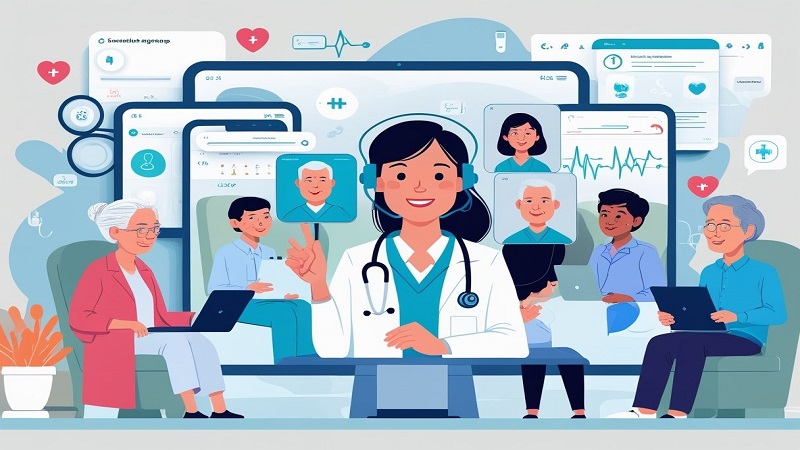
The healthcare industry has undergone a fundamental transformation, with telehealth services evolving from an emergency pandemic solution into a permanent fixture of modern medical care. Digital technologies now enable healthcare providers to deliver consultations, diagnostics, and treatment remotely, breaking down traditional barriers of geography and accessibility. This shift represents more than technological advancement—it signals a complete reimagining of how patients and providers interact.
Telehealth has become a cornerstone of healthcare delivery, driving measurable improvements in patient outcomes while expanding access to medical services for underserved populations. The integration of artificial intelligence, advanced telecommunications, and wearable devices has created sophisticated care delivery systems that operate seamlessly alongside traditional in-person visits. Healthcare organizations are now implementing strategic approaches to virtual care that extend far beyond basic video consultations.
The landscape of telehealth continues to evolve rapidly, with regulatory frameworks adapting to support cross-border virtual care and new billing structures taking effect. These developments are reshaping patient experiences and provider capabilities while addressing longstanding challenges in healthcare accessibility and cost-effectiveness.
Core Components and Impact of Telehealth Services
Telehealth services operate through integrated technologies that transform healthcare delivery by connecting patients with providers remotely. These systems significantly improve patient outcomes while expanding access to underserved populations through specialized platforms and monitoring tools.
Redefining Healthcare Access through Telehealth
Telehealth eliminates traditional barriers that prevent patients from accessing healthcare services. Geographic distance no longer limits patient access to specialists and healthcare professionals, particularly benefiting those in rural areas.
Key Access Improvements:
- Reduced travel time and transportation costs
- Elimination of work schedule conflicts
- Decreased need for childcare or eldercare arrangements
- Access to specialists regardless of location
Healthcare delivery through telehealth platforms enables patients to receive care from their homes. This approach proves especially valuable during health crises when in-person visits become challenging or unsafe.
Telehealth connects patients to vital services through multiple communication channels. These include video consultations, electronic messaging, and wireless communications that maintain continuity of care.
The convenience factor significantly reduces appointment cancellations and no-shows. Patients can access healthcare services during hours that work with their personal schedules, improving overall healthcare engagement.
Benefits for Patient Outcomes and Engagement
Telemedicine demonstrates measurable improvements in patient outcomes across various medical conditions. Remote monitoring capabilities allow healthcare providers to track patient progress continuously rather than relying solely on periodic office visits.
Patient engagement increases when healthcare becomes more accessible and convenient. Telehealth platforms enable more frequent communication between patients and providers, leading to better adherence to treatment plans.
Outcome Improvements Include:
- Chronic disease management: Better monitoring of conditions like diabetes and hypertension
- Mental health support: Increased access to therapy and counseling services
- Medication compliance: Regular check-ins improve prescription adherence
- Early intervention: Remote monitoring detects health changes sooner
Patients report higher satisfaction rates with telehealth services due to reduced wait times and improved convenience. The ability to receive care without leaving home particularly benefits elderly patients and those with mobility limitations.
Healthcare providers can manage larger patient populations more efficiently through telehealth systems. This increased capacity allows for more frequent patient interactions and better ongoing care coordination.
Key Technologies Shaping Telehealth
Video consultations form the backbone of modern telehealth services. High-definition video platforms enable face-to-face interactions that closely replicate in-person medical appointments.
Remote monitoring devices collect real-time health data from patients in their homes. These tools include blood pressure monitors, glucose meters, pulse oximeters, and wearable fitness trackers that transmit information directly to healthcare providers.
Core Technology Components:
- Telehealth platforms: Secure communication systems for provider-patient interactions
- Electronic health records integration: Seamless data sharing and documentation
- Mobile health applications: Patient-facing tools for self-monitoring and communication
- Artificial intelligence: Automated screening and diagnostic support tools
Wireless communications enable instant data transmission from medical devices to healthcare facilities. This connectivity allows providers to respond quickly to concerning changes in patient health status.
Cloud-based systems store and process large amounts of patient data securely. These platforms ensure healthcare information remains accessible to authorized providers while maintaining patient privacy and regulatory compliance.
Expanding Healthcare Delivery to Underserved Populations
Underserved communities face significant healthcare access challenges due to provider shortages and geographic isolation. Telehealth services bridge these gaps by connecting patients with specialists located in distant urban centers.
Rural populations benefit substantially from telemedicine programs that bring specialized care to local clinics. Primary care providers in these areas can consult with specialists during patient visits, improving diagnostic accuracy and treatment options.
Impact on Underserved Areas:
- Increased specialist availability in rural regions
- Reduced patient travel costs and time
- Enhanced local provider capabilities through specialist consultation
- Improved emergency response coordination
Underserved populations often struggle with transportation limitations and work schedule constraints. Telehealth platforms address these barriers by offering flexible appointment scheduling and home-based care options.
Healthcare systems can extend their reach into previously underserved markets through strategic telehealth implementations. This expansion improves population health outcomes while creating sustainable care delivery models for challenging geographic areas. The shift toward digital care requires tools that do more than just host video calls. Many practices now look for a modern clinic telehealth solution that combines communication with administrative tasks. These systems help staff manage session notes and phone consultations in one place. This setup reduces the time spent switching between different software programs. It also helps prevent the exhaustion many doctors feel when dealing with messy workflows. By using a unified platform, clinics can keep their focus on the patients.
Mental health services particularly benefit underserved communities through telehealth delivery. Many rural areas lack psychiatrists and therapists, making remote counseling sessions essential for addressing mental health needs.
Advancements, Challenges, and the Future of Accessible Healthcare
Digital health technologies are rapidly transforming healthcare delivery through artificial intelligence integration and personalized care solutions, while persistent challenges around digital literacy, data security, and regulatory frameworks require strategic solutions to ensure equitable access for all populations.
Breakthroughs in Digital Health and Personalized Care
Artificial intelligence has become central to modern telehealth platforms, enabling healthcare providers to deliver more accurate diagnoses and personalized treatment plans. Machine learning algorithms analyze patient data patterns to predict health outcomes and recommend tailored interventions.
Virtual reality applications are expanding beyond mental health therapy into physical rehabilitation and medical training. Patients can now participate in immersive therapy sessions from their homes while providers monitor progress through integrated sensors and biometric data.
Key AI Applications in Telehealth:
- Symptom assessment algorithms
- Predictive health analytics
- Automated medication reminders
- Real-time vital sign monitoring
Wearable devices have evolved to provide continuous health monitoring, transmitting data directly to healthcare providers. These technologies enable early detection of health issues and support proactive care management for chronic conditions.
Digital healthcare platforms now integrate multiple data sources to create comprehensive patient profiles. This approach allows providers to deliver truly personalized care based on individual health patterns, genetic factors, and lifestyle data.
Addressing the Digital Divide and Digital Literacy
The digital divide remains a significant barrier to telehealth adoption, particularly affecting elderly populations and low-income communities. Limited internet access and outdated devices prevent millions from accessing virtual healthcare services.
Rural areas face unique challenges with inadequate broadband infrastructure and limited technical support. Healthcare providers must develop alternative delivery methods, including mobile health units equipped with satellite connectivity and simplified interfaces.
Digital Literacy Barriers:
- Complex navigation systems
- Lack of technical training
- Language barriers in digital platforms
- Fear of technology among older adults
Educational initiatives are emerging to improve digital literacy among underserved populations. Healthcare organizations partner with community centers and libraries to provide hands-on technology training and device access programs.
Simplified telehealth interfaces designed for specific demographics show promise in reducing barriers. These platforms feature larger buttons, voice commands, and multilingual support to accommodate diverse user needs.
Data Security, Encryption, and Trust in Telehealth
Patient data protection has become paramount as telehealth services handle increasing volumes of sensitive health information. Advanced encryption protocols now protect data transmission between patients and healthcare providers.
End-to-end encryption ensures that patient communications remain private throughout the entire digital healthcare journey. Multi-factor authentication adds additional security layers to prevent unauthorized access to medical records.
Healthcare providers must comply with evolving privacy regulations while maintaining user-friendly interfaces. This balance requires continuous investment in cybersecurity infrastructure and staff training programs.
Essential Security Measures:
- HIPAA-compliant platforms
- Encrypted video conferencing
- Secure cloud storage
- Regular security audits
Trust-building initiatives focus on transparency in data usage and clear privacy policies. Patients increasingly demand control over their health data sharing preferences and usage permissions.
Blockchain technology shows potential for creating tamper-proof health records while giving patients ownership of their medical data. Several pilot programs are testing blockchain-based health information exchanges.
Cost, Regulation, and the Path Forward
Healthcare costs continue to influence telehealth adoption patterns, though many services now demonstrate cost savings compared to traditional in-person visits. Insurance coverage expansion has made virtual consultations more accessible to diverse patient populations.
Regulatory frameworks are adapting to support telehealth growth while maintaining quality standards. State licensing requirements for cross-border consultations remain complex, requiring coordinated policy solutions.
The global telehealth market projects significant growth, with investments in digital health infrastructure driving innovation. Healthcare providers are allocating larger budgets to telehealth technologies and staff training programs.
Regulatory Priorities:
- Standardized licensing procedures
- Quality assurance protocols
- Reimbursement policy clarity
- International cooperation frameworks
Mental health services have seen particularly strong telehealth adoption, demonstrating improved health outcomes for patients with anxiety and depression. This success model is expanding to other specialty areas including cardiology and dermatology.
Future developments will focus on integration between telehealth platforms and traditional healthcare systems. Seamless data sharing and coordinated care models will become standard practice across the healthcare industry.
